Day 1 of Cannes Lions 2026 just wrapped. Here is our brutally honest strategic breakdown of the Grand Prix winners that actually earned their metal.

The first batch of trophies has been handed out at the Palais des Festivals. As usual, the beach is crawling with people wearing linen shirts who are very excited about things like "conversational ecosystems" and "human-centric utility."
But we do not care about the buzzwords. We care about the work. Specifically, the work that managed to escape the gravity of corporate committees to do something genuinely clever. Day 1 of Cannes Lions 2026 was a mixed bag, but the Grand Prix winners showed that the best way to get noticed is still to treat your audience like they have a brain.
Here is our unfiltered strategic breakdown of the day 1 winners, backed by a healthy dose of behavioral science and zero patience for fluff.
The Ordinary: The Periodic Fable (Health & Beauty Grand Prix)
Most beauty advertising is a crime against basic chemistry. For decades, the industry has relied on a reliable formula of showing a model with impossibly perfect skin while a voiceover mutters words like "micro-capsules of youth-restoring bio-peptides." It is pseudo-scientific nonsense designed to make you feel slightly ugly and highly gullible.
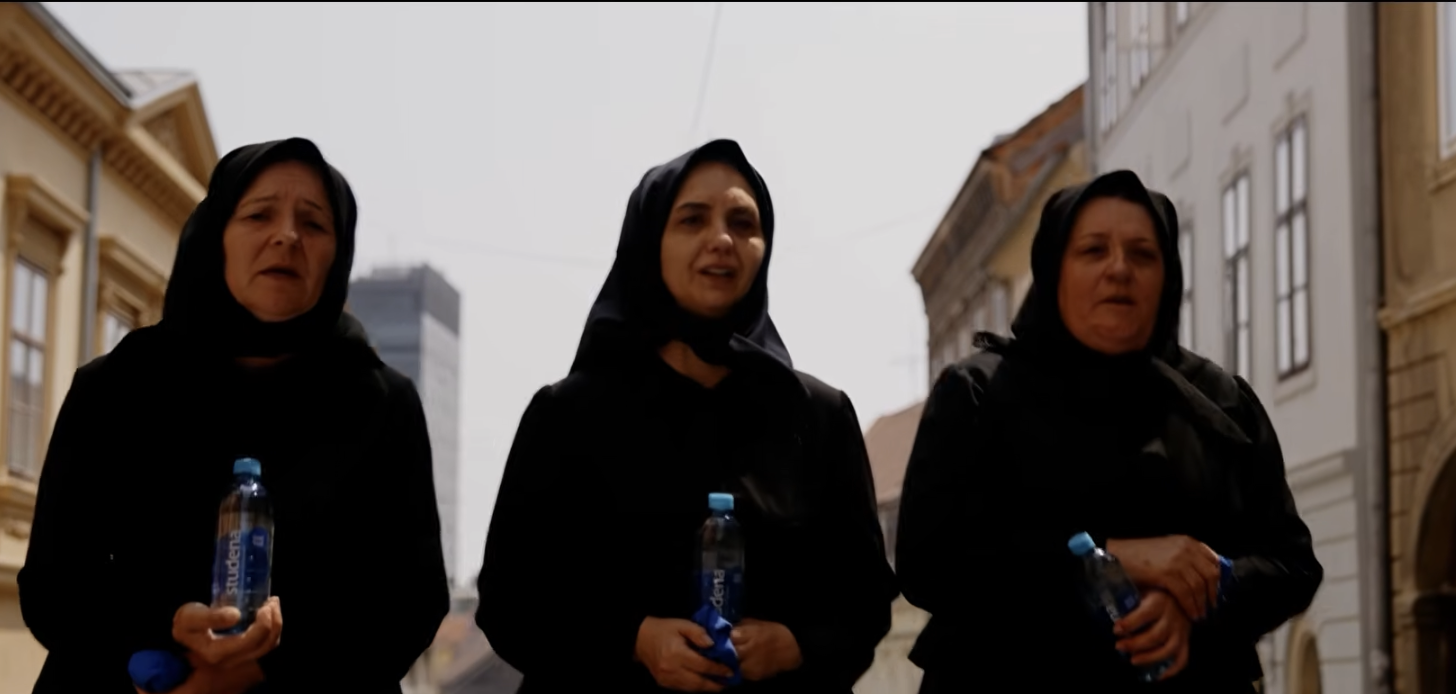
The Ordinary decided to set fire to this entire category convention. Developed by Uncommon Creative Studio, The Ordinary: The Periodic Fable turned these deceptive beauty marketing buzzwords into a satirical periodic table containing 49 fake elements.
"If you have to invent a new Latin-sounding word to explain why your moisturizer costs $150, you are not selling science. You are selling a fairytale."
By utilizing the strategy of Attack a Cultural Blind Spot, the campaign exposed the hidden lack of substance behind premium skincare claims. The aesthetic is brilliantly dystopian - think sterile white classrooms and rhythmic skin-slapping soundtracks - which perfectly parodies the cult-like nature of modern beauty routines. It works because it respects the reader's intelligence. It does not try to convince you that The Ordinary has magic water; it simply points out that everyone else is lying about theirs.
SKF: The Faroe Islands Space Program (B2B Grand Prix)
B2B marketing is usually where creativity goes to die a quiet death in a PowerPoint presentation. Most industrial brands think their buyers are rational robots who only care about logistics spreadsheets. They forget The Law Of B2B Buyers - B2B decisions are made by humans who are just as easily bored as consumers.
SKF, a brand that makes industrial bearings, won big by choosing to Redefine the Competitor Set. Instead of talking about friction coefficients, they launched SKF: The Faroe Islands Space Program. They rebranded tidal energy as a space program that never actually leaves Earth, using the grand narrative of space exploration to explain the massive engineering feat of underwater turbines.
It is a classic Rory Sutherland move: if your product is hard to explain, change the context. By comparing their bearings to rocket science, they bypassed the boring procurement conversation and went straight for the awe factor. It is evidence-based marketing science dressed up as high-octane spectacle.
Mercado Libre: Field Barcode (Media Grand Prix)
We have said it before, and we will say it again: a slogan is not a strategy. If you want people to pay attention to your brand during a massive sporting event, you can either buy a very expensive, very forgettable 30-second TV spot, or you can hijack the physical environment itself.
Mercado Libre did the latter with Mercado Libre: Field Barcode. During a live football match, they digitally mapped the lines of the pitch to turn the grass itself into a giant, scannable discount barcode for viewers at home.
This is the ultimate execution of Build an Utility, Not an Ad. It turned passive television viewing into an active transaction, directly supporting The Law Of Physical Availability by making the brand incredibly easy to buy from at the exact moment of highest engagement. No corporate fluff, no preachy monologues about the "spirit of the game." Just a highly functional, slightly mischievous hack of the medium.
The Honorable Mentions: When Simple Truths Win
Sometimes you do not need a massive tech budget to win a Grand Prix. Sometimes you just need to look at your product, admit a boring truth, and have a laugh about it.
Heinz - Look Familiar?: In the Outdoor category, Heinz: Look Familiar? won by pointing out that standard cardboard fry boxes are shaped exactly like the Heinz keystone logo. It is a masterclass in leveraging Distinctive Assets without even showing the product.
Novartis - Relax Your Tight End: In the Pharma/Healthcare category, Novartis: Relax Your Tight End used a cheeky football pun to turn a deeply uncomfortable medical test into a relaxed, human conversation, proving that humor is the best way to Find the Missing Conversation.
The Day 1 Kicker
The lesson from day 1 at Cannes is simple: the brands that won did not try to optimize their way to glory. They did not use generic templates or hide behind corporate jargon. They picked a fight with a category convention, embraced a bit of absurdity, and trusted that the audience was smart enough to get the joke.
If your current strategy deck is full of words like "synergistic solutions," do yourself a favor. Go to the Framework Generator, run a session using the Get Who To By framework, and strip out everything that sounds like it was written by a committee. The lions prefer a bit of teeth.