Creative Advertising Deconstructed
Explore 1239 famous creative advertising campaigns, each deconstructed by creative strategy, strategic framework, creative technique, craft breakdown and campaign results. Each campaign's creative idea is described in one clear sentence, with a full strategy breakdown to inspire your next creative strategy session.
Found 21 campaigns

Facebook: We're Never Lost
Facebook's "We're Never Lost" campaign acknowledged the profound isolation and fear of the early pandemic, then powerfully pivoted to showcase human resilience and connection, positioning the platform as an essential conduit for finding mutual support and hope amidst global crisis.
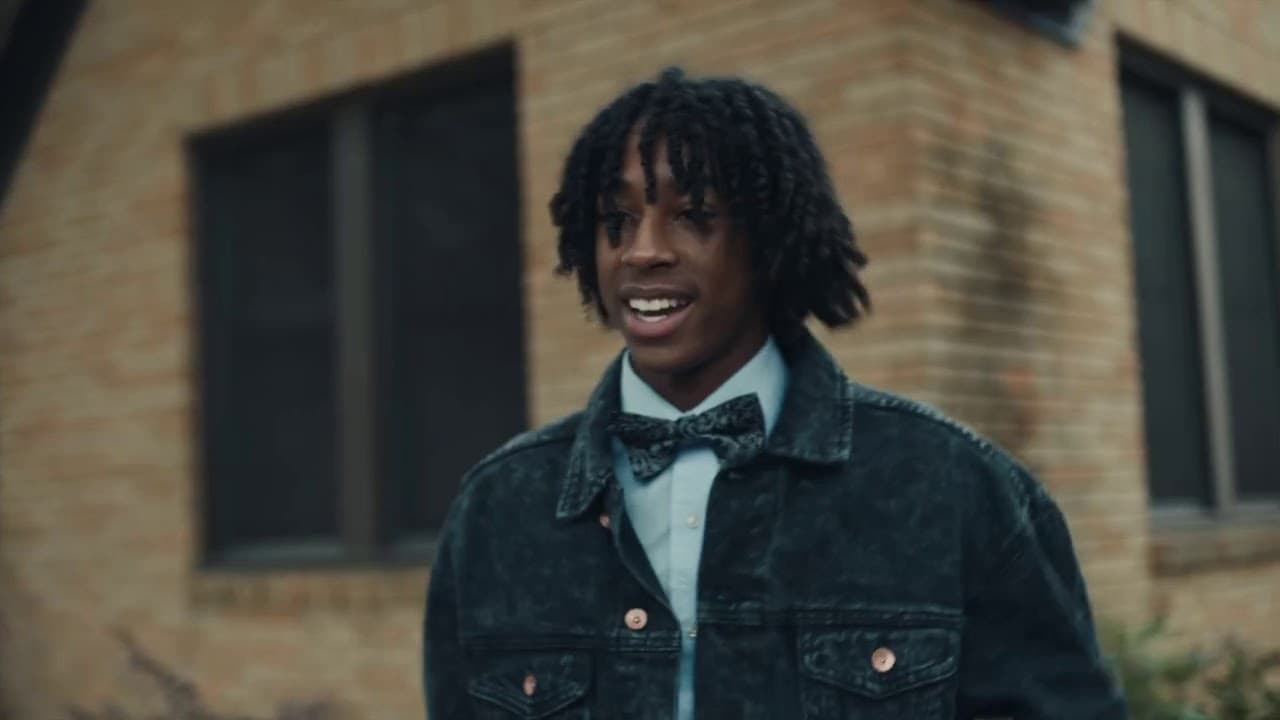
Nordstrom: An Open Mind Is The Best Look
Nordstrom shifted from product-centric ads to a cinematic celebration of human connection, using an improvised theater rehearsal voiceover and street-cast individuals to prove that true style comes from an open, empathetic perspective rather than just the clothes themselves.

The New York Times: The Truth Is Worth It
The campaign dramatized the rigorous, often dangerous process of investigative journalism through kinetic typography and raw field recordings, proving that a final headline is only possible because of the immense effort and sacrifice required to uncover it.
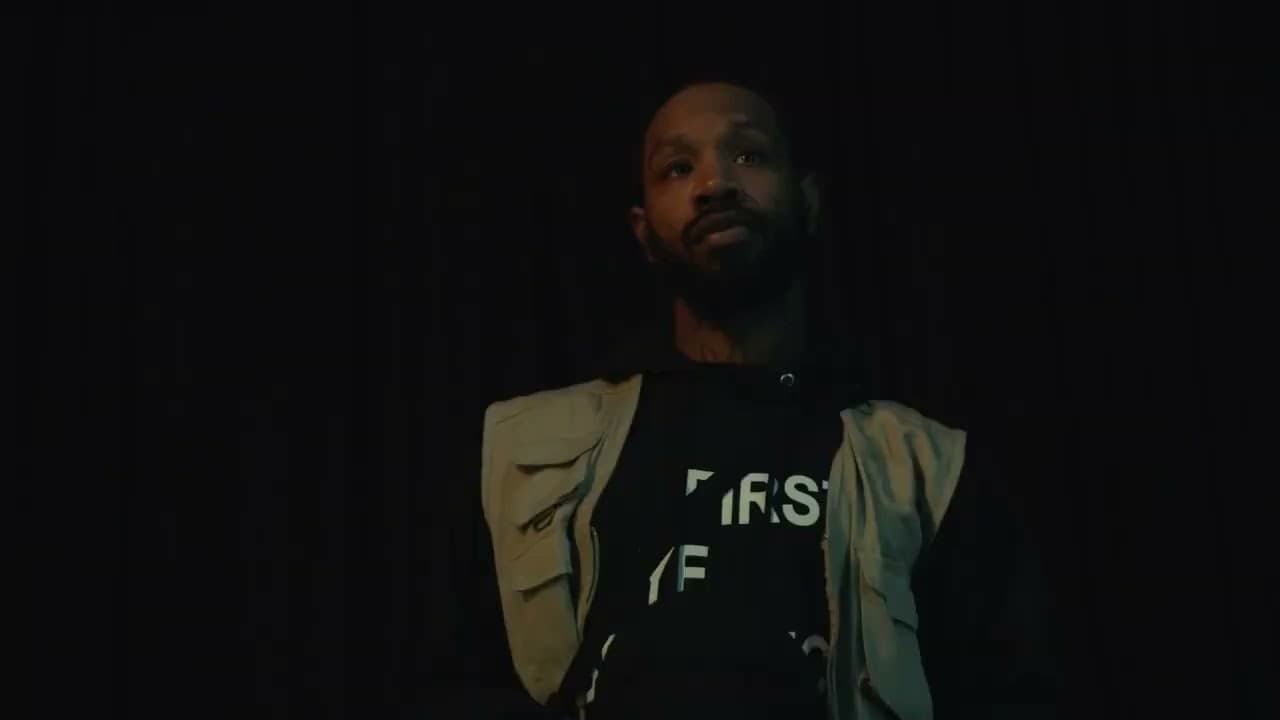
Christie's: The Last Da Vinci
Christie's marketed a 500-year-old Da Vinci masterpiece by hiding the painting and filming the visceral, emotional reactions of viewers, transforming a religious relic into a global pop-culture phenomenon through the power of the human gaze.

Kraft Heinz: Bagelgate
Philadelphia Cream Cheese launched a real-time "schmear campaign" against Apple's dry bagel emoji, rallying social media users to demand a cream cheese update. By positioning the brand as the defender of bagel integrity, they forced a tech giant to change its product.

The New York Times: Bryan Denton
The New York Times showcased photojournalist Bryan Denton's raw, first-person account of surviving an ambush, revealing the intense human cost and ethical complexities of war reporting, thereby reinforcing the brand's commitment to profound, empathetic storytelling and fearless truth-seeking.

Under Armour: Michael Phelps
Under Armour's 'Rule Yourself' campaign powerfully showcased Michael Phelps' grueling, solitary training and recovery, revealing that true greatness stems from unseen dedication. It worked by connecting the brand to the authentic, often dark, journey of an elite athlete, inspiring viewers to embrace their own quiet efforts.
Newcastle Brown Ale: Miners
Newcastle Brown Ale leveraged historical footage of arduous working-class life, then ironically admitted this advertising tactic works because it makes viewers feel better about their own lives, thus selling more beer through self-aware, brutal honesty.

Honeymaid: This is Wholesome
Honey Maid celebrated diverse families in an initial ad, then powerfully responded to public comments - both positive and negative - by using them to literally build a message of love and acceptance, reinforcing its wholesome brand image and demonstrating its commitment to inclusivity.

Newcastle Brown Ale: If We Made It
Newcastle Brown Ale satirized the extravagance of Super Bowl ads by presenting a ridiculously epic, unmade commercial featuring Anna Kendrick, evil apes, and skateboarding cats, humorously contrasting it with their "no bollocks" brand ethos to resonate with consumers tired of overblown marketing.
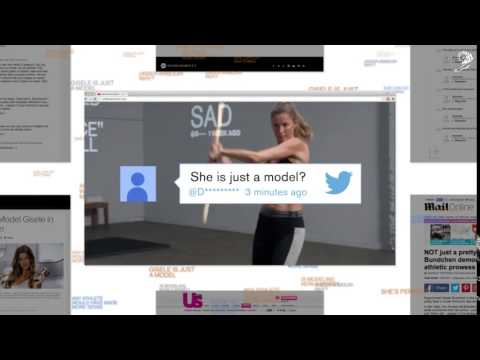
Under Armour: I Will What I Want
Under Armour challenged its masculine image by signing supermodel Gisele Bündchen, leveraging anticipated public judgment. They used real-time social commentary in ads and a live web experience to show Gisele defying "noise," powerfully proving that "will beats noise" and making the brand a symbol of female athletic aspiration.

The New York Times: Daniel Berehulak
The New York Times showcased photojournalist Daniel Berehulak's harrowing experience covering the Ebola crisis, revealing the unseen human cost through his personal narrative to underscore the brand's unwavering commitment to bringing difficult, essential truths to light.

Unicef: Tap Project
UNICEF created a unique social media campaign that turned Facebook users into virtual "water taps" where people could donate small amounts to provide clean water to children in need. By leveraging the massive social network, UNICEF transformed digital connections into a practical way to solve the global water crisis, allowing users to symbolically "open their tap" and help provide clean water to millions of children.
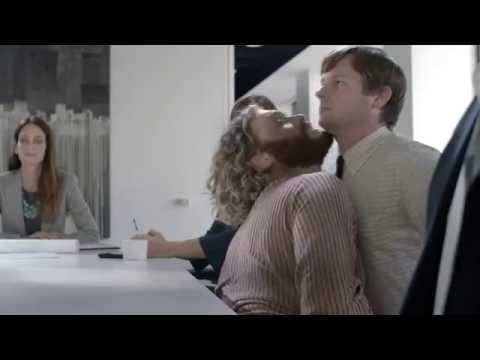
MotoX: LazyPhone
Moto X's "Lazy Phone" campaign humorously dramatized the social awkwardness and public embarrassment caused by phones that reveal private notifications, positioning Moto X's Active Display as the discreet solution for receiving updates without causing a scene.
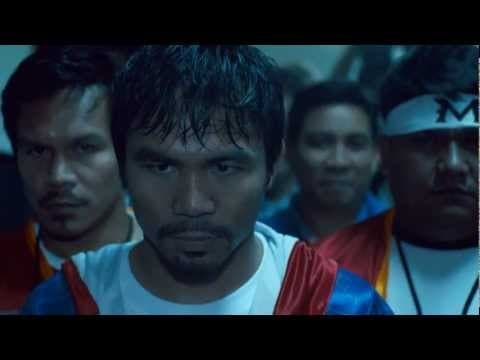
Hennessy Cognac: Manny
The campaign leveraged Manny Pacquiao's inspiring journey - from gritty, humble beginnings to boxing legend and congressman - to personify Hennessy's "Never stop. Never settle." ethos, connecting the brand to the universal human drive for relentless ambition and purpose.

Puma Social: Live Life Don't Watch It
Puma Social created a campaign that challenges people to stop watching reality TV and start living their own exciting life by actively participating in real experiences. The brand encourages young people to replace passive TV consumption with dynamic, personal adventures and social interactions, positioning itself as a lifestyle brand that promotes active living.
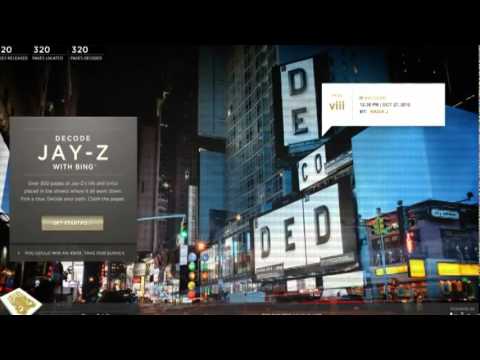
Bing: Decode Jay-Z
Bing turned Jay-Z's book launch into a global treasure hunt, placing pages of his memoir in real-world locations connected to his life story. By using Bing Maps and social media to guide fans to these page locations, the campaign created an interactive experience that promoted both the book and the search engine.
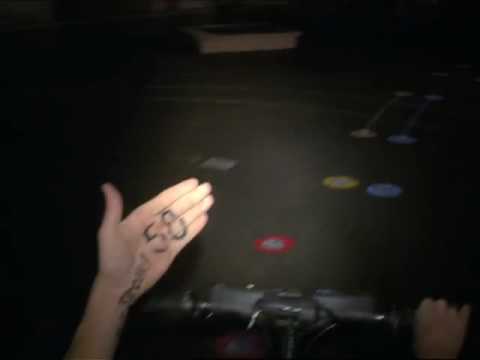
Guitar Hero: Bike Hero
Guitar Hero: Bike Hero ingeniously transformed the static rhythm game experience by creating a custom bike that projected Guitar Hero tracks onto urban environments, allowing players to physically ride and 'play' the game in the real world, thus merging digital entertainment with active, outdoor adventure.
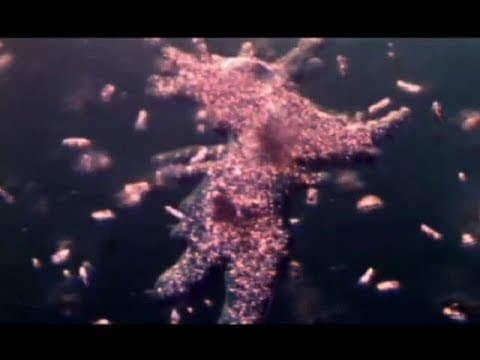
Net10: Bonnie
This campaign cleverly uses the relatable frustration of a world-saving scientist, Dr. Bonnie Bassler, being overcharged by her cell phone company to dramatically contrast Net10's transparent, no-evil pricing model, making fairness a hero's cause.
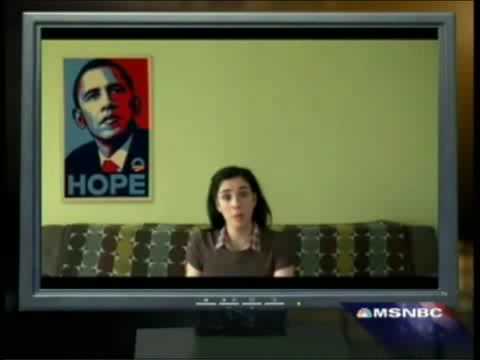
Jewish Council: The Great Schlep
The Jewish Council launched "The Great Schlep" campaign to encourage young Jewish people to visit their grandparents in Florida and persuade them to vote for Barack Obama. The campaign used humor and viral video featuring comedian Sarah Silverman to motivate young people to talk to their elderly relatives about the election and potentially influence their voting decision.
Tourism Australia: Dundee
Tourism Australia leveraged the iconic Crocodile Dundee franchise with a meta-narrative, presenting a fake movie trailer that humorously revealed itself as a tourism ad, using a new Dundee character to showcase Australia's diverse attractions and inviting viewers to experience them.