Creative Advertising Deconstructed
Explore 1840 famous creative advertising campaigns, each deconstructed by creative strategy, strategic framework, creative technique, craft breakdown and campaign results. Each campaign's creative idea is described in one clear sentence, with a full strategy breakdown to inspire your next creative strategy session.
Found 51 campaigns
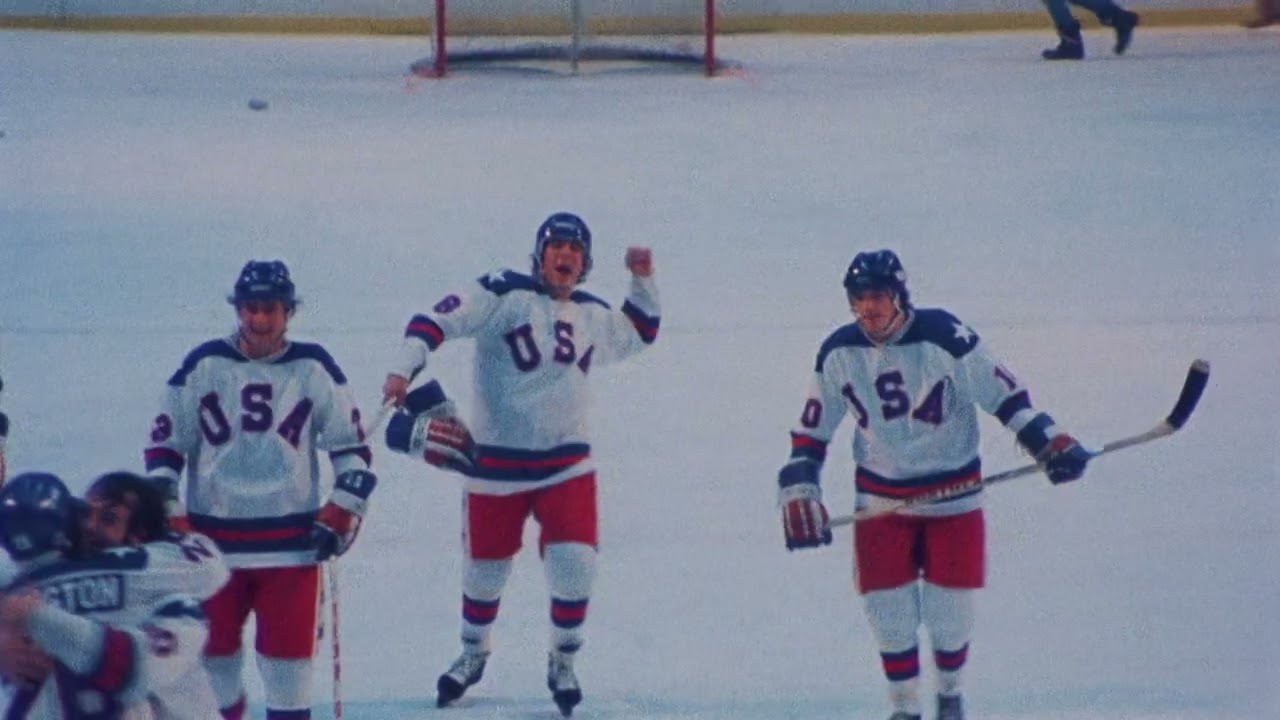
Michelob Ultra: Run Back the Miracle
Michelob Ultra used cutting-edge holographic technology to recreate the 1980 Miracle on Ice at the original Lake Placid arena, allowing fans to relive a historic underdog victory and build immense anticipation for the 2026 Winter Olympics.
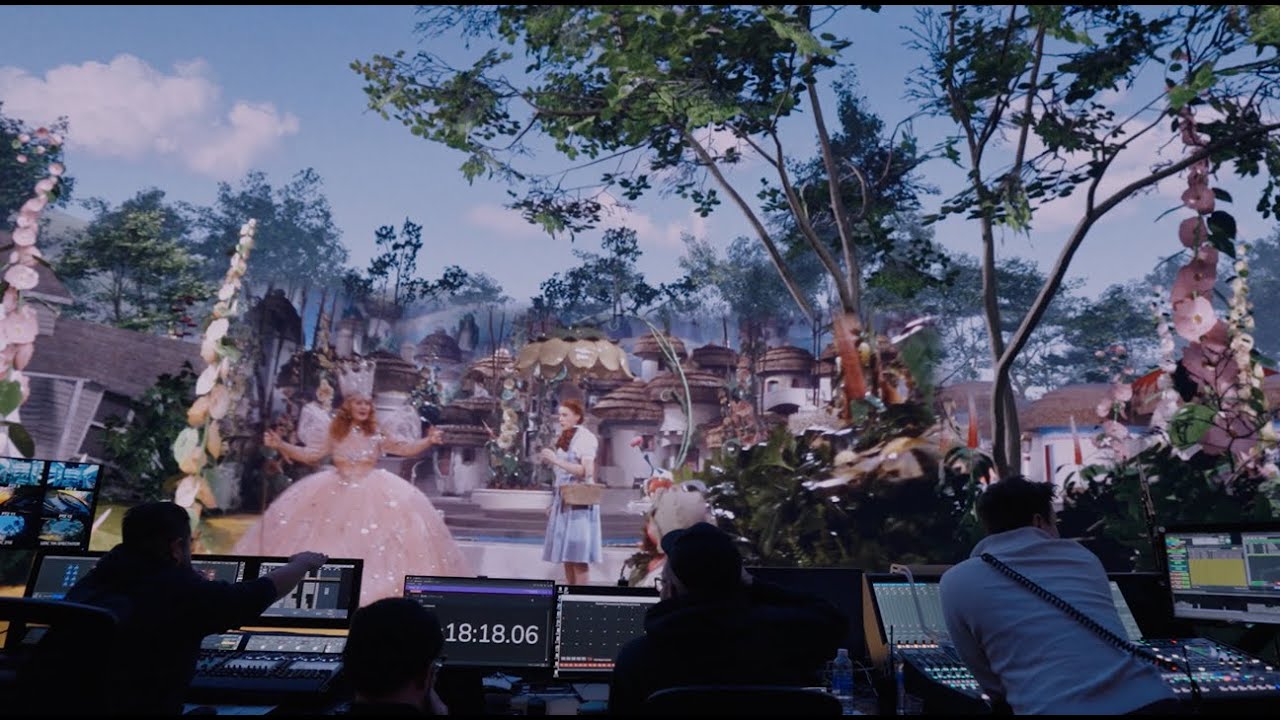
Sphere: The Wizard of Oz at Sphere
Sphere Studios used AI to expand the 1939 classic The Wizard of Oz for its massive, immersive dome, transforming a vintage film into a modern, full-scale sensory experience that makes audiences feel like they have stepped inside the movie.
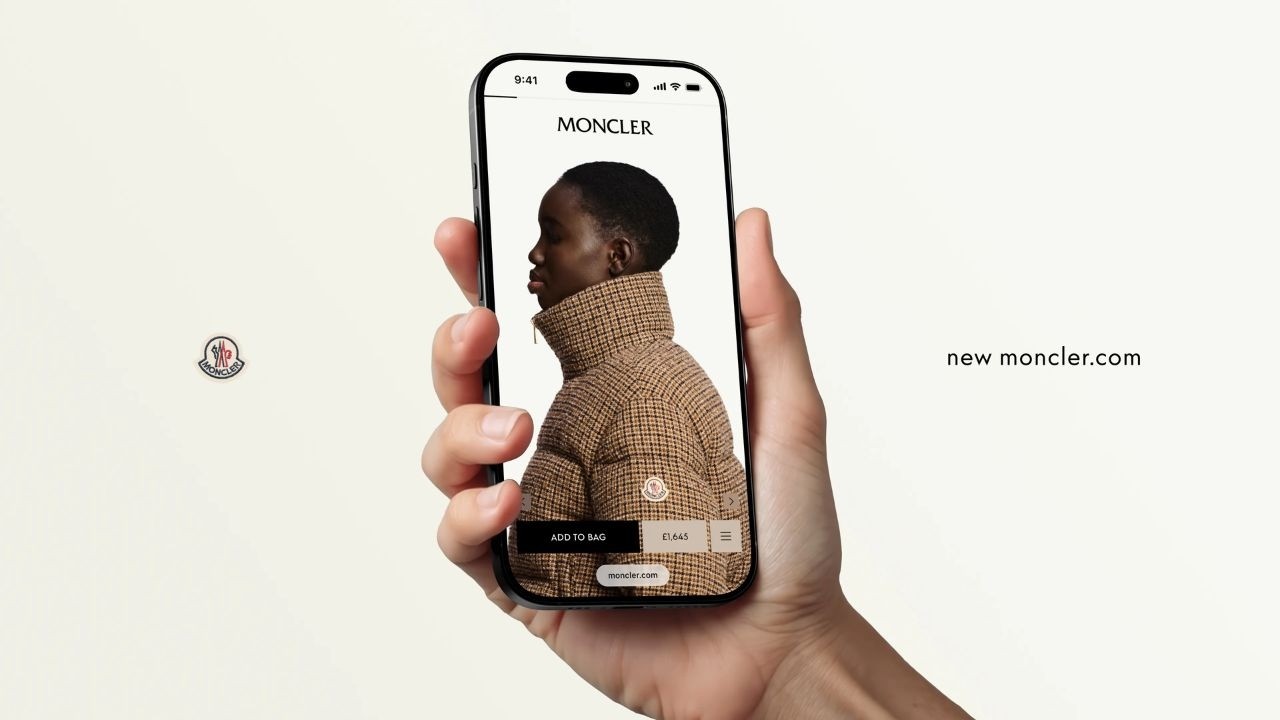
Moncler: The New Moncler.com
Moncler transformed its e-commerce site into an immersive digital destination by blending generative AI with human creativity, turning static product pages into fluid, editorial experiences that bridge the gap between luxury storytelling and seamless, intuitive shopping.
Apple (F1 The Movie): F1 Haptic Trailer
Apple transformed the iPhone into a sensory racing cockpit by launching the world's first haptic movie trailer, using the Taptic Engine to let viewers physically feel every engine roar and gear shift, turning passive viewing into an immersive physical experience.
Hyundai: Tree Correspondents
Hyundai transformed trees into environmental journalists by using real-time sensors and AI to translate biological data into first-person dispatches, turning abstract climate metrics into intimate, human-readable narratives that forced a global audience to confront the reality of ecological change.
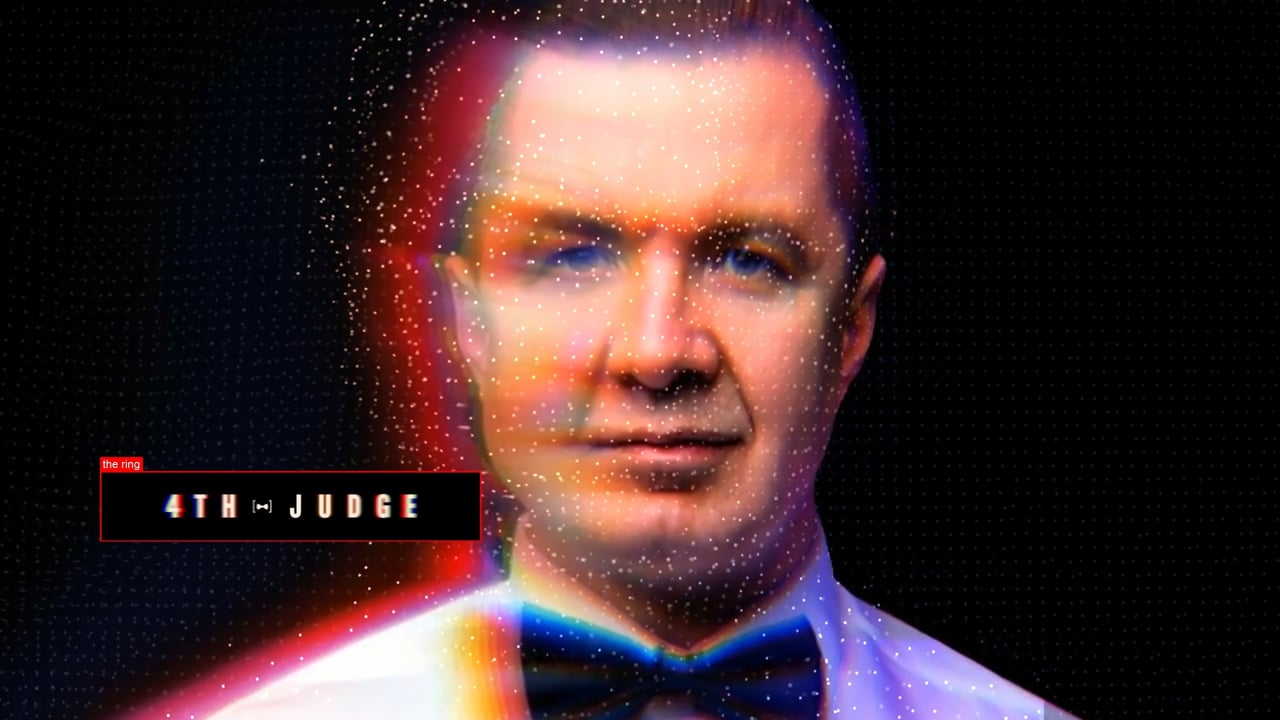
The Ring: The 4th Judge
The Ring introduced the world's first AI boxing judge trained on a century of data to provide real-time, unbiased scoring during major fights, restoring fairness to a sport plagued by controversial human decisions and subjective judging.

Dove: Real Beauty Redefined for the AI Era
Dove confronted the threat of AI-generated beauty standards by partnering with Pinterest to let users retrain algorithms with diverse human traits, proving that real beauty is defined by people, not biased machine-learning prompts.
Apple: Submerged
Apple transformed its hardware marketing into a prestige cinematic event by producing the first scripted immersive film with an Oscar - winning director, proving the Vision Pro isn't just a gadget but the next frontier of narrative storytelling.
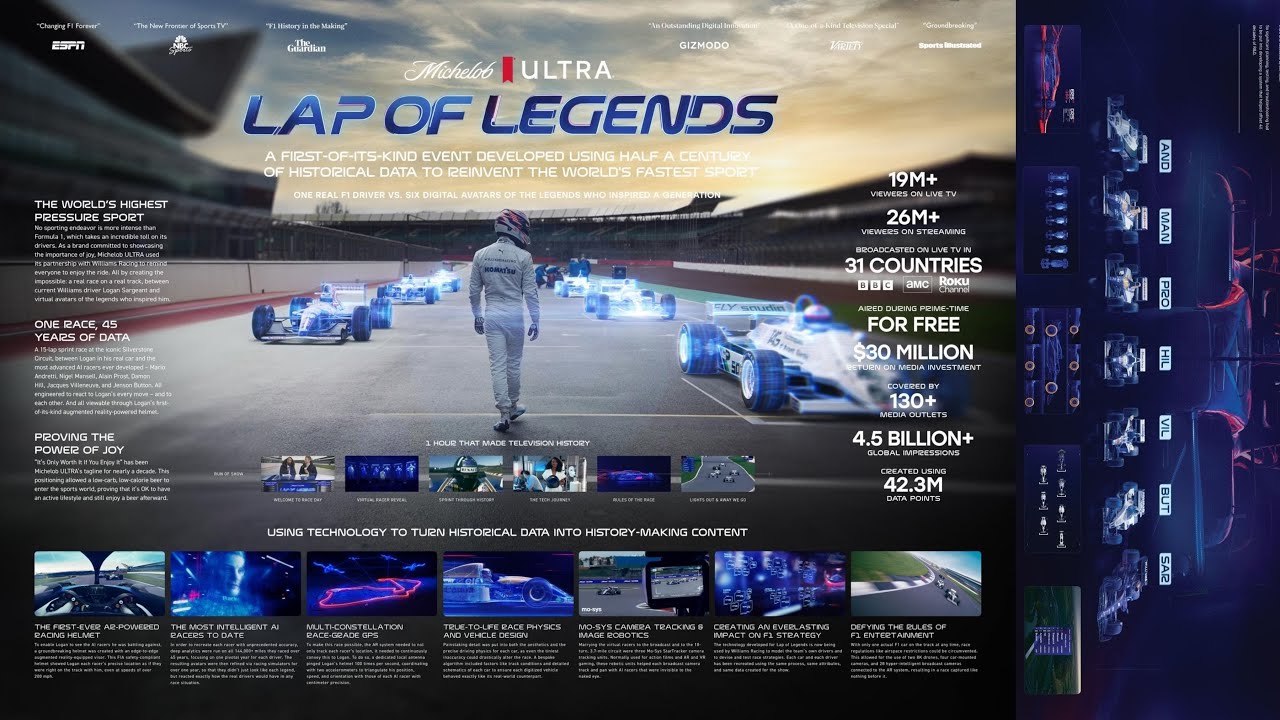
Michelob ULTRA: Lap of Legends
Michelob ULTRA staged the world's first real-versus-virtual Formula 1 race, using AI and augmented reality to let Logan Sargeant compete against six historical legends. By turning 45 years of racing data into a live spectacle, they proved racing joy is timeless.
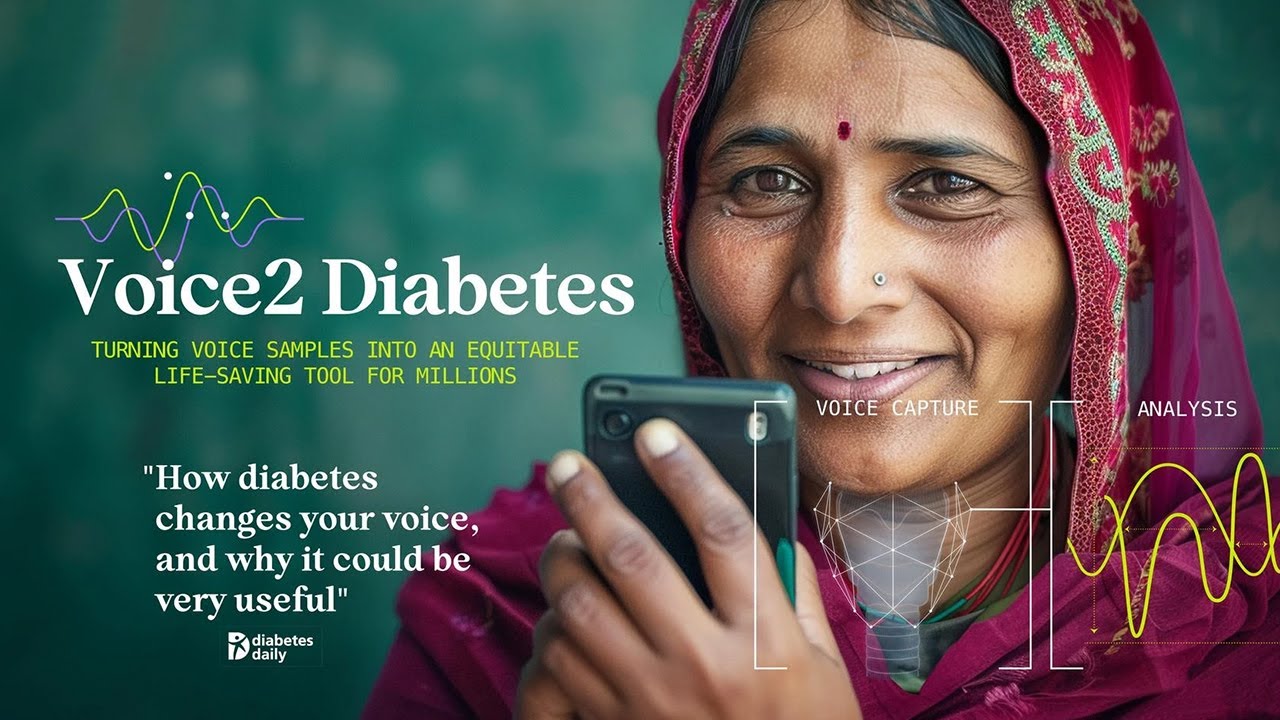
KVI Brave Fund - Voice 2 Diabetes
Klick Labs pioneered an AI-driven voice technology that detects Type 2 diabetes from a few spoken sentences, making early, non-invasive screening accessible via smartphones and potentially identifying millions unaware of their condition.
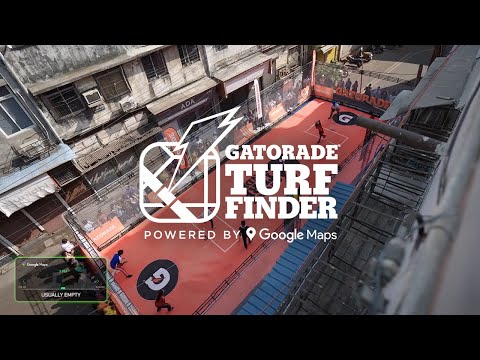
Gatorade - Turf Finder
Gatorade created the Turf Finder, a technology using Google Maps data to identify temporary empty urban spaces in Mumbai that could be transformed into safe sports grounds. By leveraging real-time and historical traffic data, the brand aimed to provide accessible playing areas for young people in congested city environments, promoting an active lifestyle and sports participation.
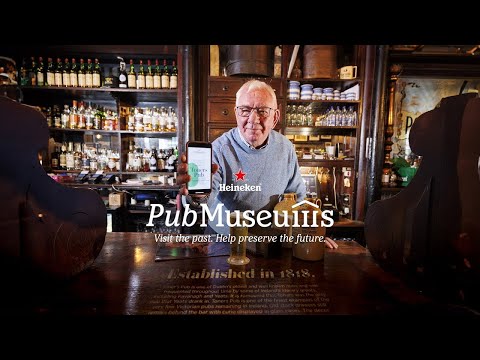
Heineken - Pub Museums
Heineken created an innovative campaign that transforms historic Irish pubs into virtual museums using AR technology, helping these cultural landmarks gain official museum status and access financial support. By using QR codes and digital storytelling, the brand aimed to preserve the cultural heritage of pubs and highlight their importance in local communities.
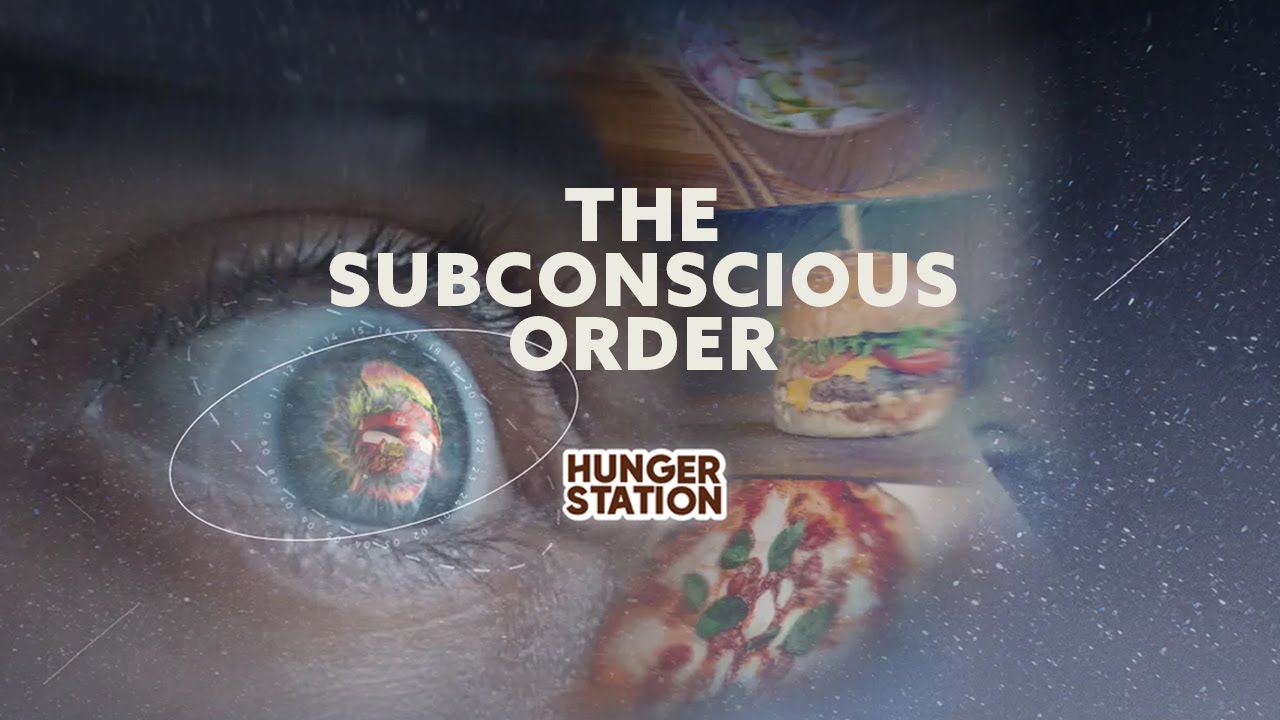
HungerStation: The Subconscious Order
HungerStation solved choice paralysis by launching a tool that uses eye-tracking technology to monitor subconscious reactions to food images, automatically identifying what a user truly craves before their conscious mind can overthink the decision.

UNESCO - Backup Ukraine
Polycam created a unique campaign called 'Backup Ukraine' that enabled Ukrainian citizens to use a mobile app to 3D scan and digitally preserve their cultural heritage sites and monuments during the war, protecting their national identity from physical destruction.
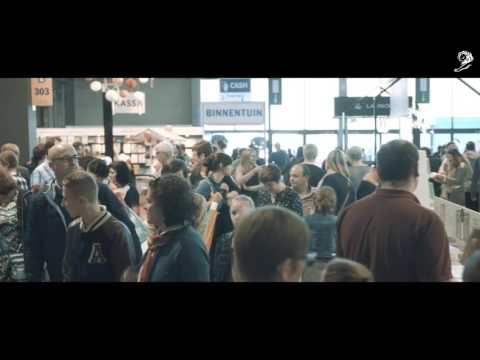
Bol Books: The Impossible Signing Session
Bol Books, a Belgian online bookstore, used robotics technology to recreate signatures of deceased authors, allowing fans to get personalized, "signed" books from their literary heroes. By digitizing handwriting signatures and using a specialized robot arm, the brand created a unique "Impossible Signing Session" that brought authors back to life, delighting readers and generating significant media attention.
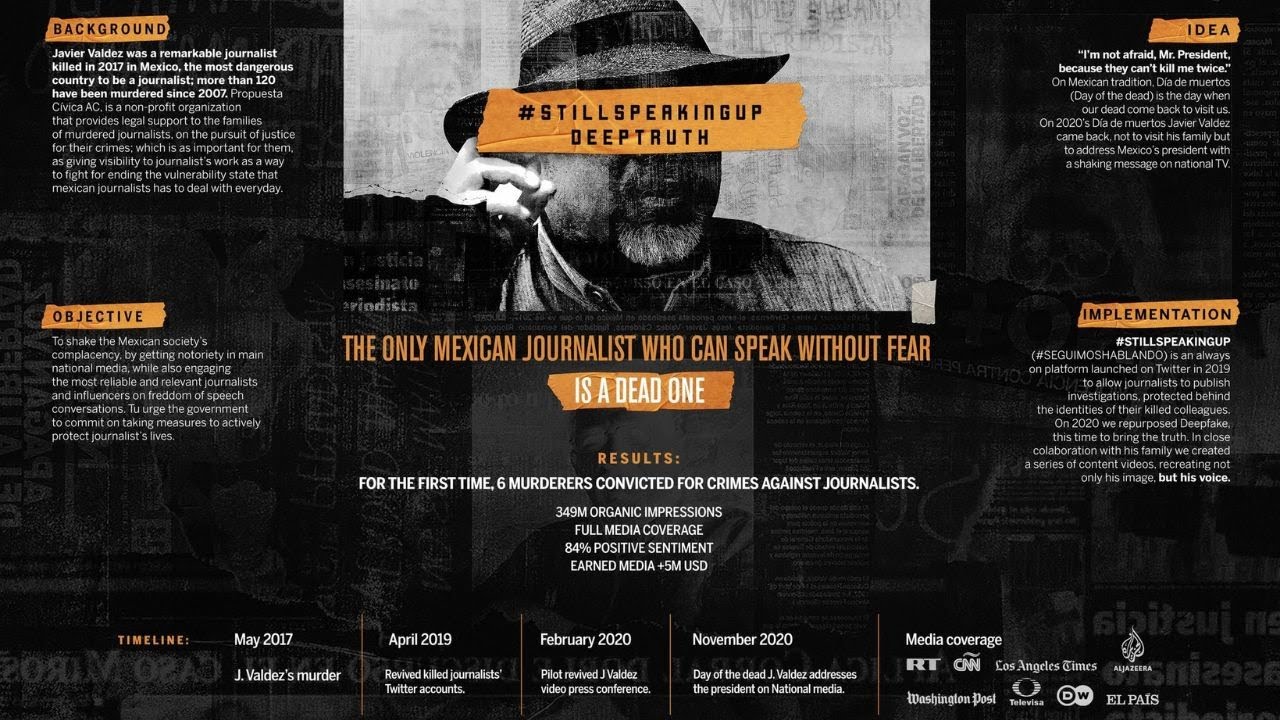
Propuesta Cívica: #StillSpeakingUp
To break the silence surrounding journalist murders, the campaign used deepfake AI to resurrect Javier Valdez on the Day of the Dead, allowing a murdered reporter to confront the President and provide a safe, anonymous platform for living colleagues.
Michelob ULTRA x NBA - Courtside
Michelob ULTRA digitally immersed fans courtside in the NBA bubble during the 2020 season shutdown, using Microsoft's AI-driven Together Mode. By scanning a bottle, fans won virtual seats, recreating the live game experience and vital human connection, which significantly boosted sales and brand engagement.
Petz: Pet-Commerce
Petz transformed online shopping by launching an AI - powered platform that used facial recognition to let dogs choose their own products, replicating the physical store experience where pets' reactions dictate what their owners buy.
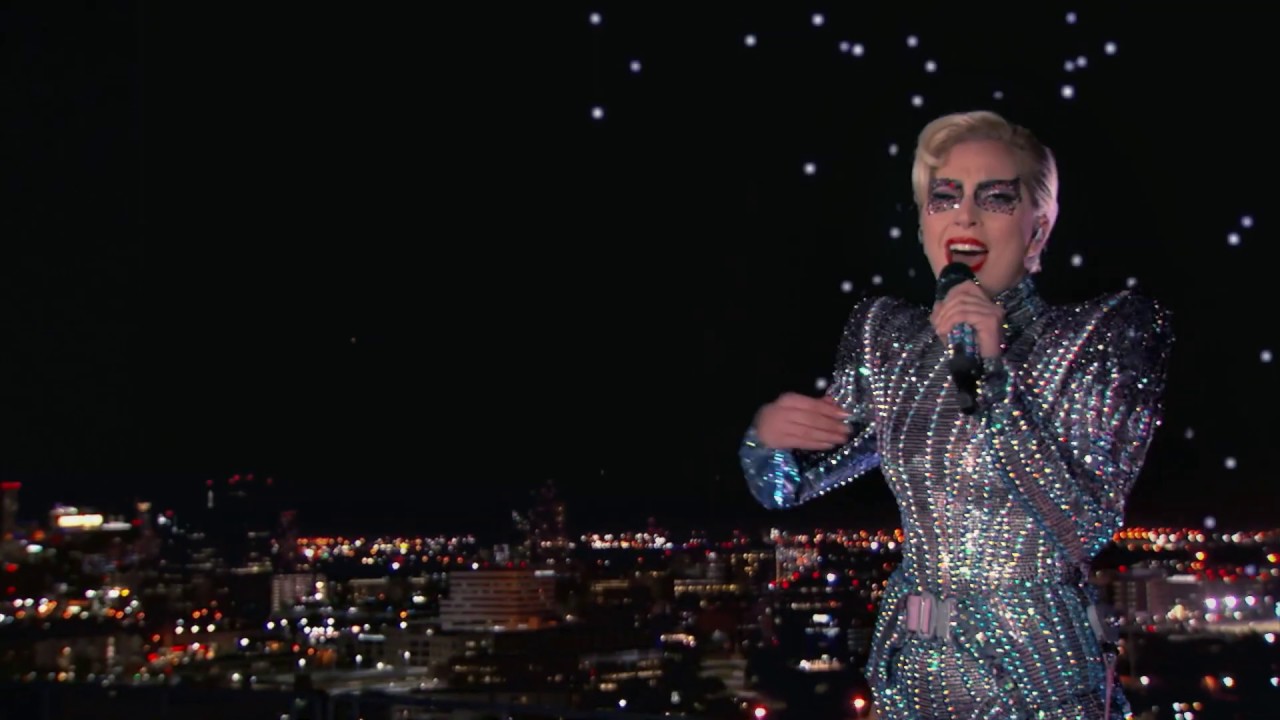
Intel Drone Light Show
Intel transformed its complex computing power into a breathtaking visual spectacle by synchronizing 300 drones for Lady Gaga's Super Bowl halftime performance, proving that invisible technology can create tangible, awe-inspiring emotional experiences on the world's biggest stage.

Snaptivity
Snaptivity used AI-powered robotic cameras and IoT sensors to automatically capture high-quality photos of fans during peak emotional stadium moments, allowing them to stay fully immersed in the game while receiving professional 'tag and brag' content directly to their phones.
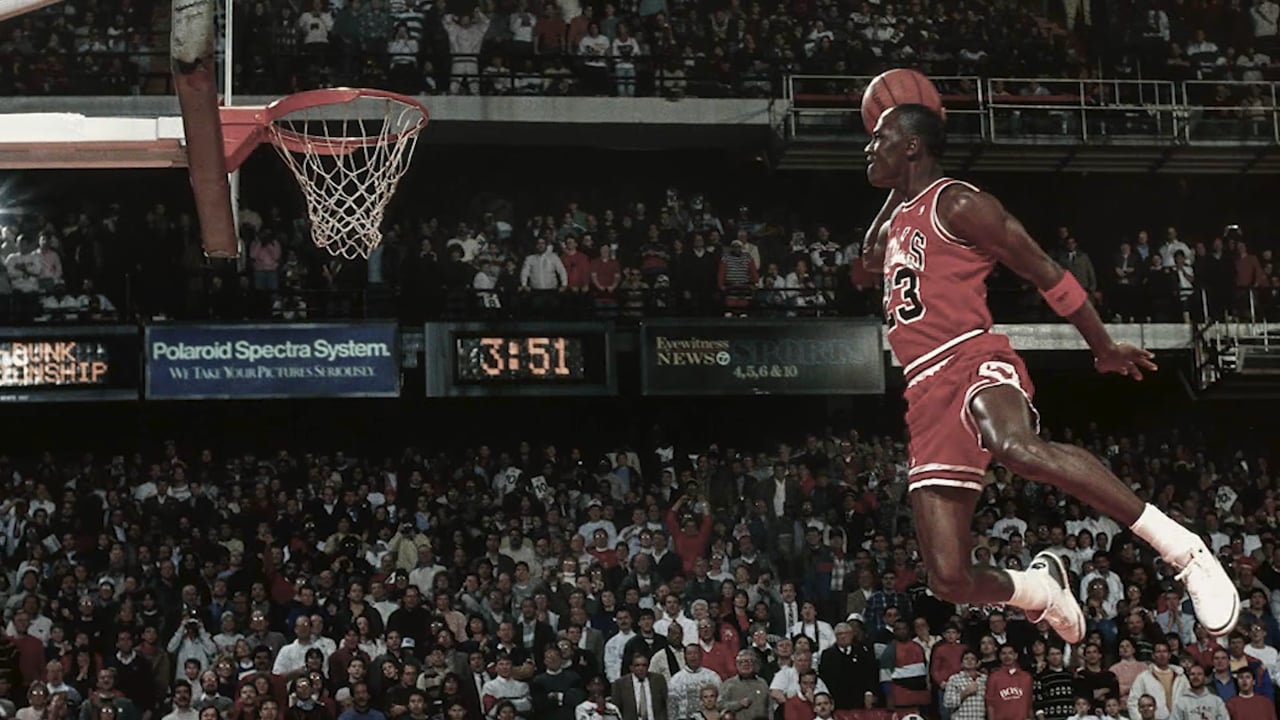
Jordan Brand: A/R Jordan
Jordan Brand turned Michael Jordan's iconic 1988 dunk into a life-sized AR experience on Snapchat, allowing fans to walk around the legend and purchase limited-edition sneakers directly through the lens for immediate delivery, bypassing bots and rewarding true fans.
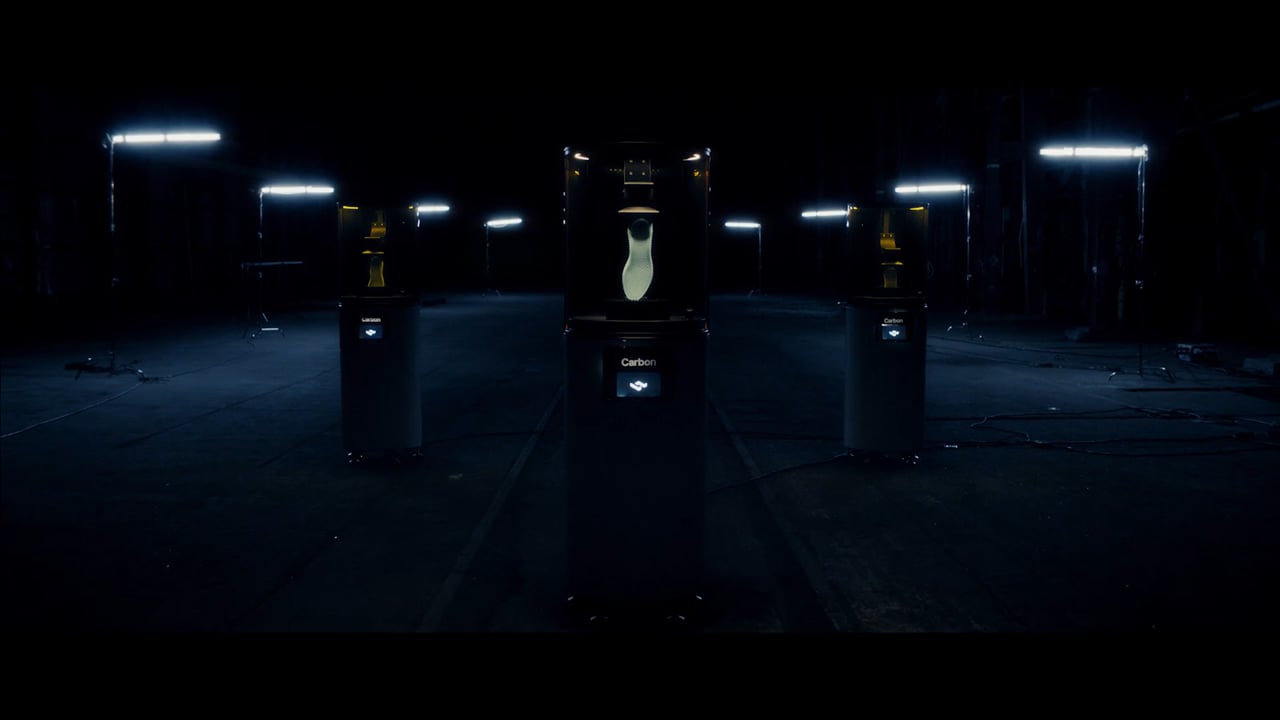
Adidas: Futurecraft 4D
Adidas introduced the Futurecraft 4D by visually blending the raw power of nature with high-tech liquid resin printing, positioning the shoe not just as footwear, but as a seamless, programmable evolution of the human athlete's potential.
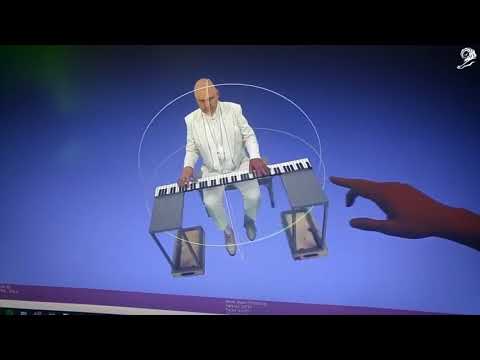
William Patrick Corgan: Aeronaut VR
To launch his solo album, Corgan created the first-ever volumetric VR music video, transforming a passive listening experience into an interactive, hand-painted 3D world that allowed fans to physically explore the artist's performance from any perspective.
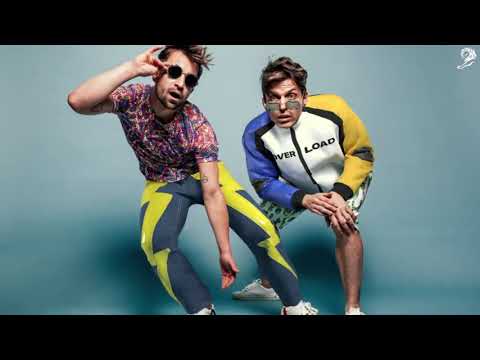
Carlings: Address the Future
Carlings created a digital clothing collection that allows people to wear virtual outfits on social media, solving the environmental waste problem of constantly buying new clothes for online posts. By offering digitally fitted clothing that exists only in photos, the brand provided a sustainable way for people to express their style online without producing physical garments.
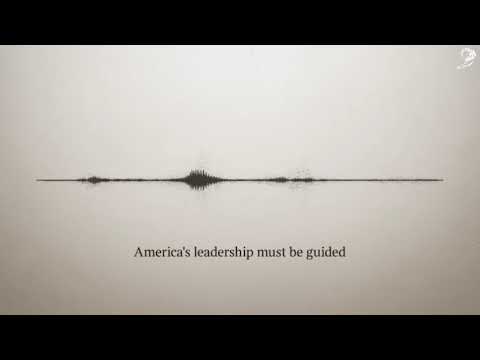
The Times: JFK Unsilenced
The Times used advanced AI technology to reconstruct JFK's undelivered Trade Mart speech, allowing him to "speak" 100 years after his assassination as part of their "Find Your Voice" campaign. By analyzing 831 of JFK's speeches and meticulously piecing together over 116,000 sound units, they created a powerful audio experience that brought his silenced voice back to life.
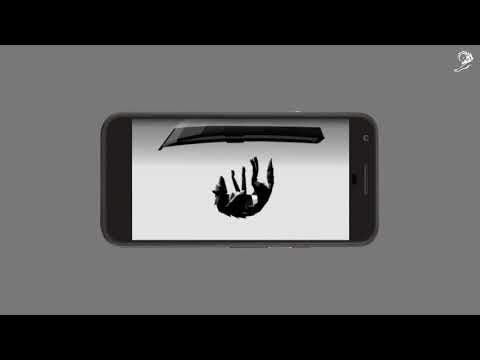
Google: Through The Dark
Google Play Music transformed a rapper's personal story of his son's cancer battle into an interactive 3D film where users physically tilted their phones to navigate between hope and fear, turning a passive listen into a visceral, charitable experience.
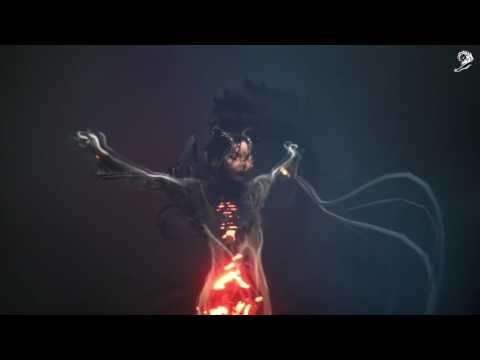
Björk: Notget VR
Björk transformed her music video into a real-time, interactive VR experience that allowed fans to physically walk through her emotional landscape, using cutting-edge gaming technology to turn a passive song into a deeply personal, spatial journey of healing.
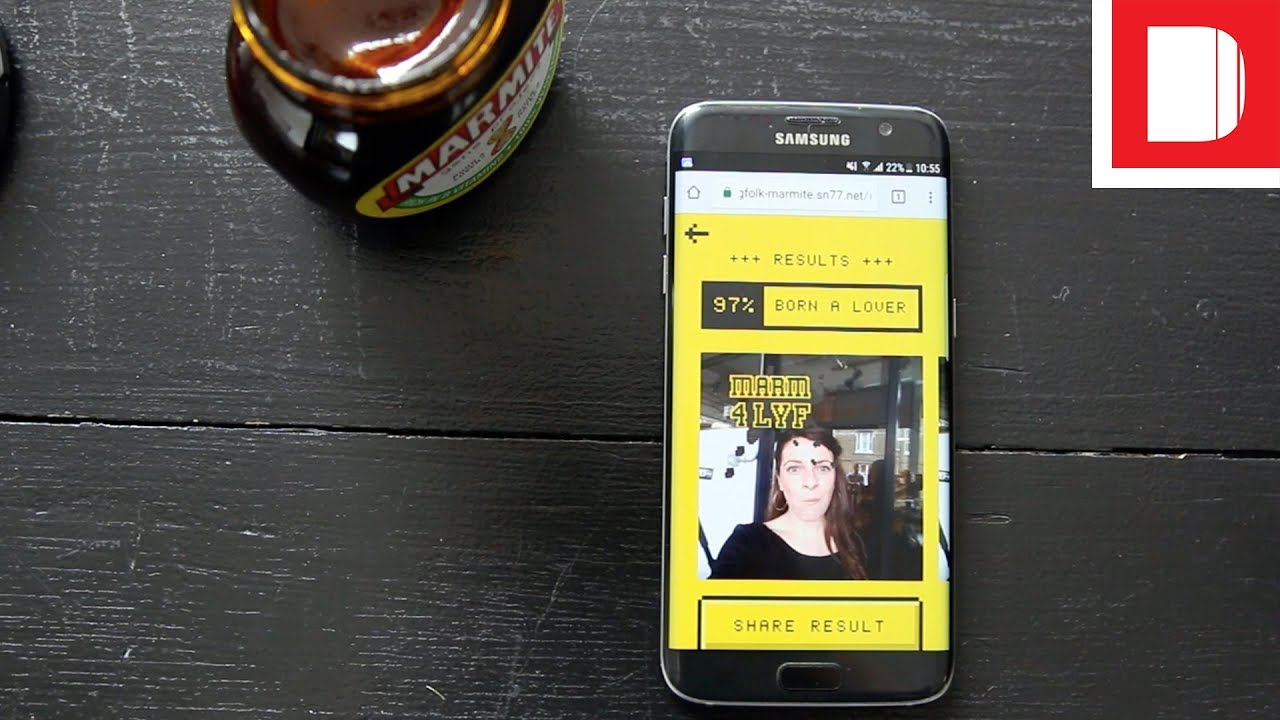
Marmite: Gene Project
Marmite revitalized its polarizing 'Love it or Hate it' positioning by using genetic science and facial recognition technology to 'prove' that preference for the spread is an inherited trait, turning a subjective taste into a scientific certainty.
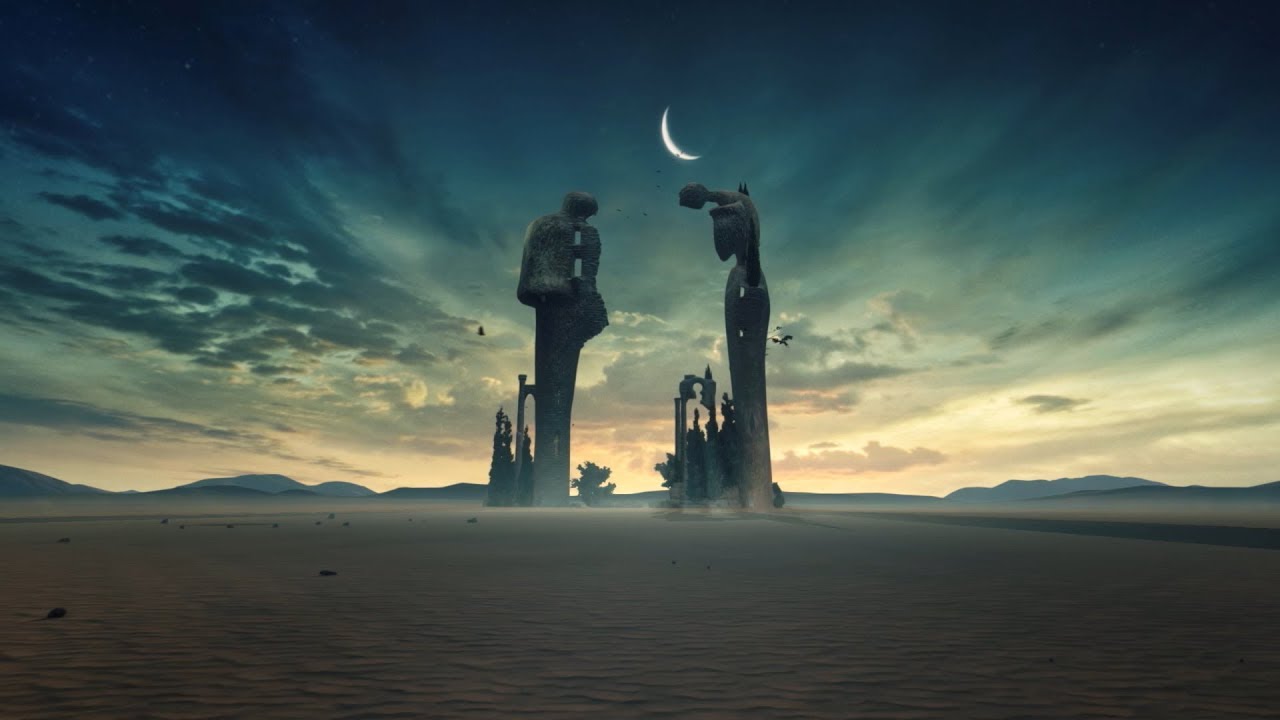
The Dalí Museum: Dreams of Dalí
The campaign transformed a static painting into an immersive 360-degree VR world, allowing viewers to inhabit Dalí's subconscious. It worked by leveraging cutting-edge technology to bridge the gap between passive observation and active, surreal exploration of a master's mind.
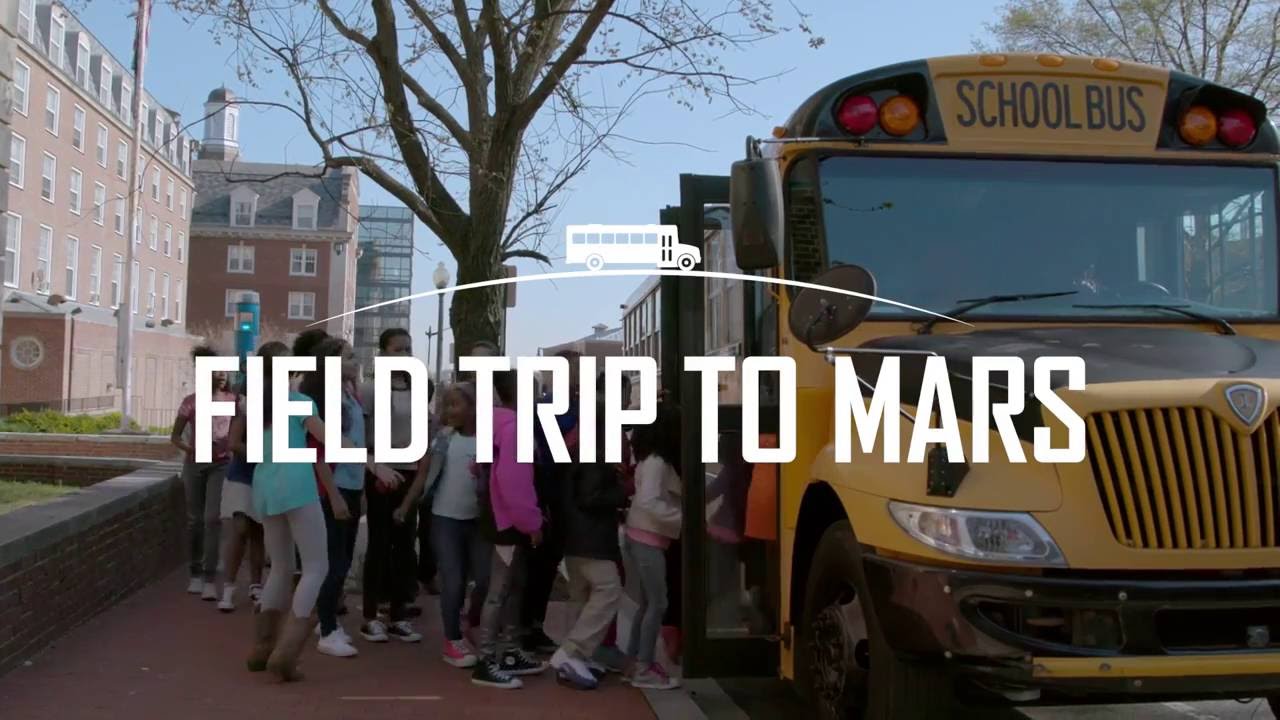
Lockheed Martin: The Field Trip To Mars
Lockheed Martin transformed a school bus into a headset-free 'Group VR' experience, replacing windows with screens that mapped real-world movement to Martian terrain. It worked by making the impossible tangible and communal, turning a passive commute into an immersive educational adventure.